The 10 Best Things to Do in San Sebastián
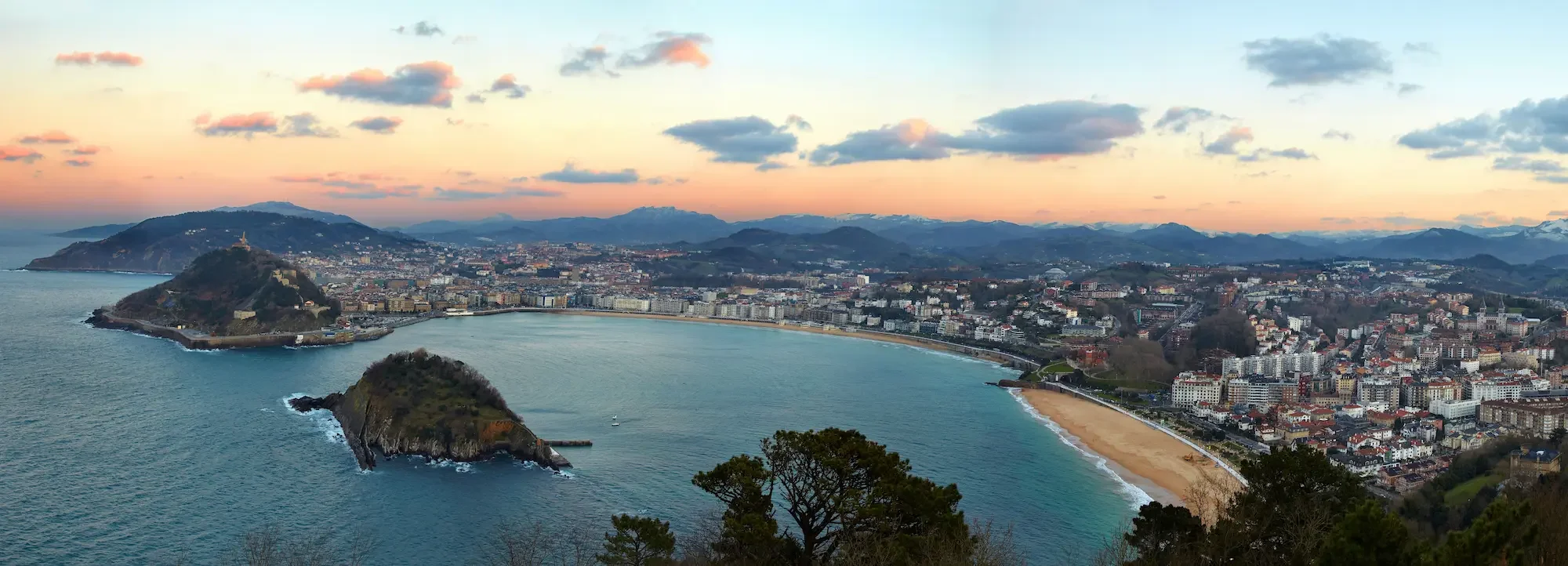
Few cities manage to feel as effortlessly complete as San Sebastián. Set along the dramatic northern coast of Spain in the Basque Country, this elegant seaside city brings together extraordinary food, Belle Époque architecture, golden beaches, contemporary art and a distinctly Basque sense of place.
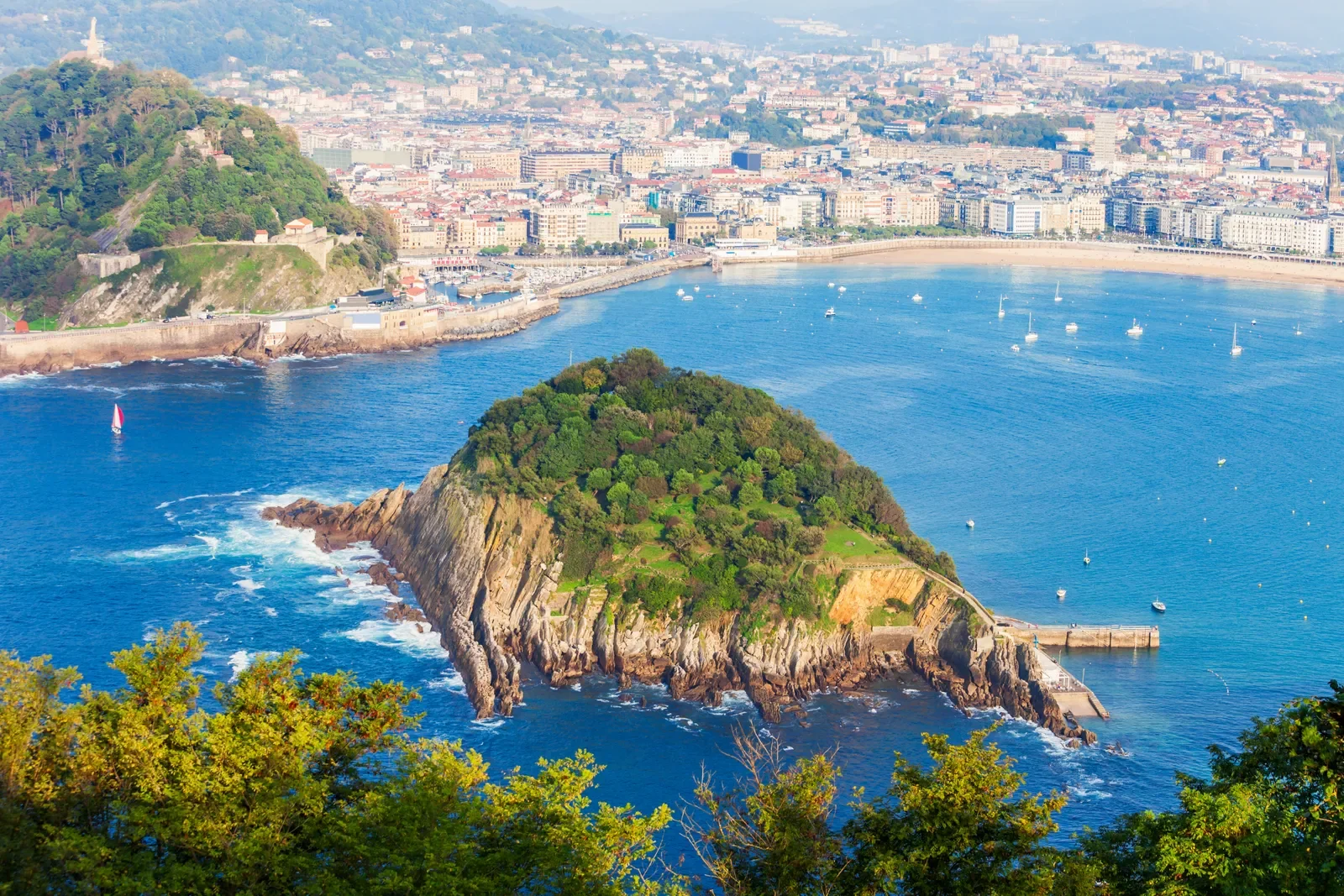
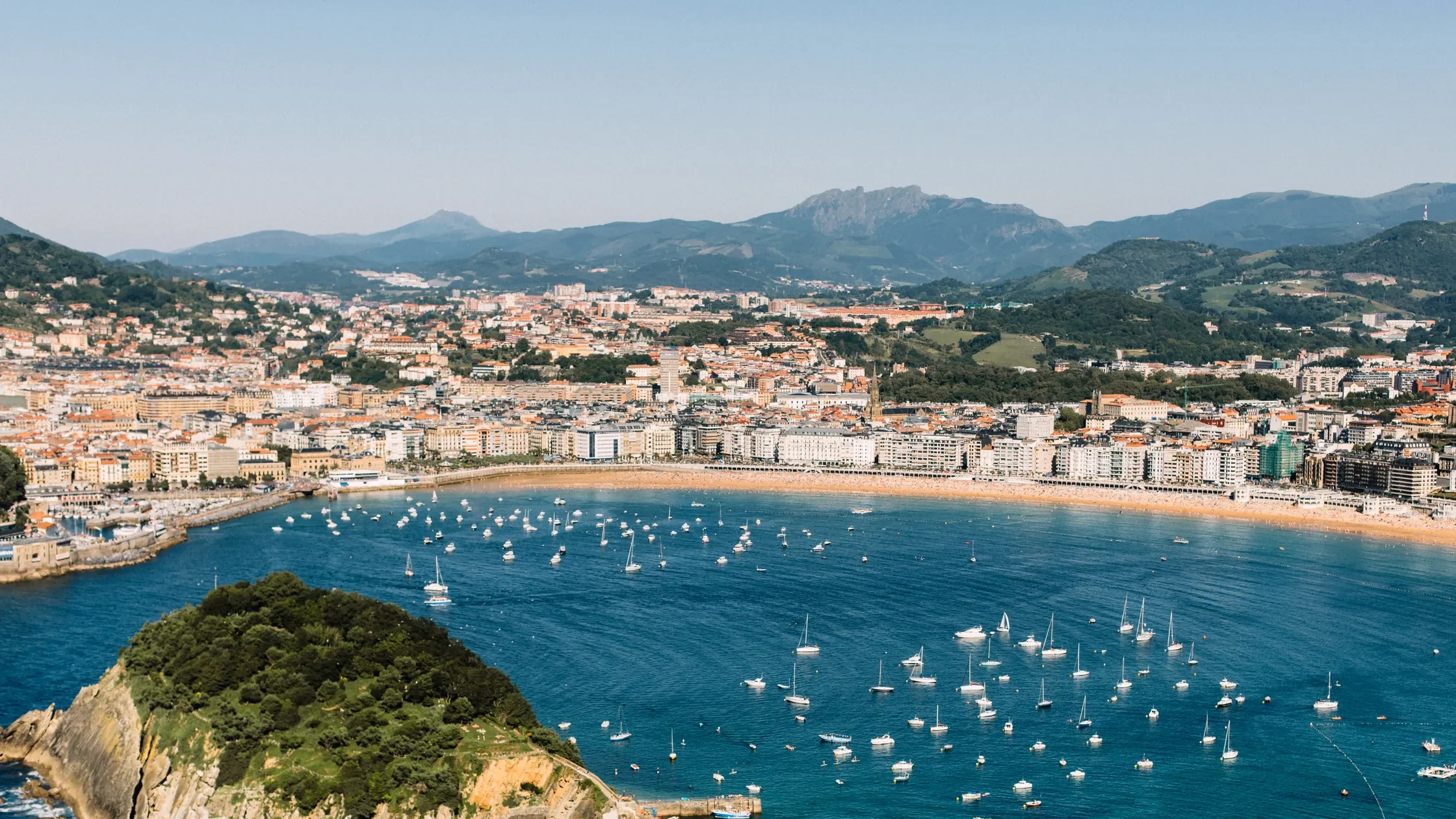
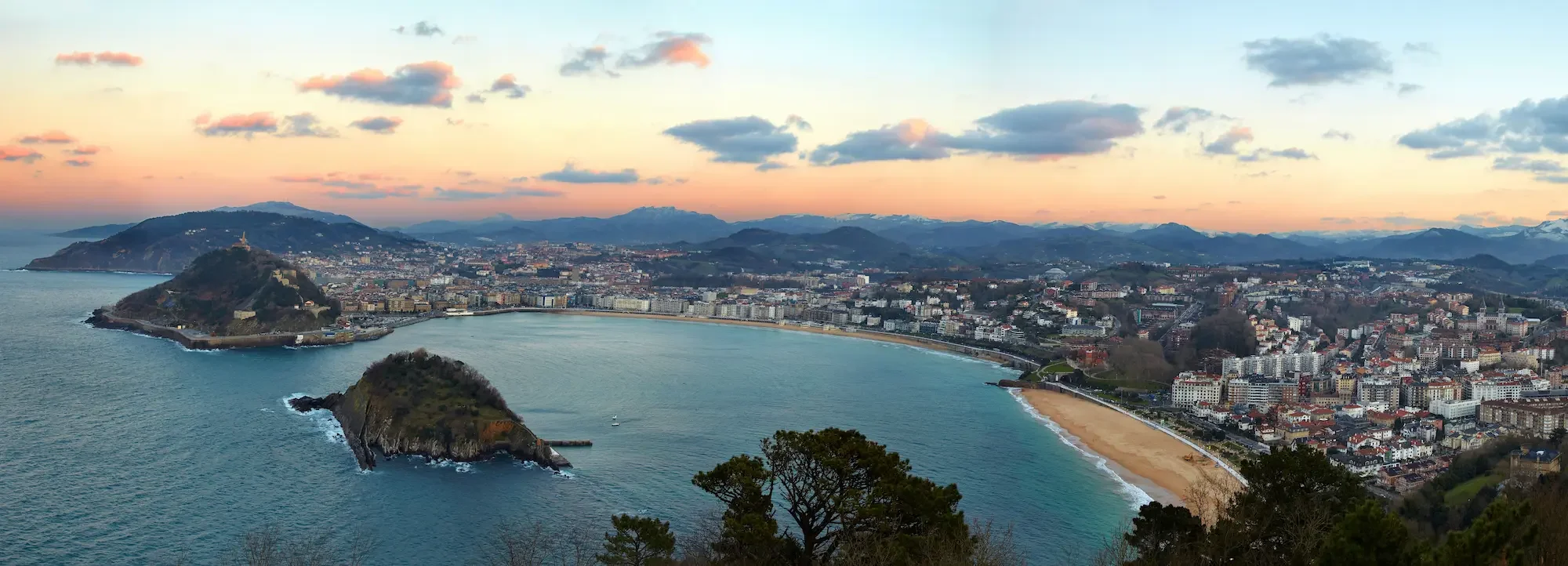
Known locally as Donostia, San Sebastián wraps around the crescent shaped Bay of La Concha, with green mountains rising at either end and Santa Clara Island sitting just offshore. The city itself is compact and wonderfully walkable. One moment you can be wandering through the narrow streets of the Parte Vieja, stopping for pintxos and a glass of txakoli, and not long after you can be walking barefoot along the beach or looking across the entire coastline from the top of Monte Igueldo.
Food is inevitably part of the story. San Sebastián and the surrounding region have one of the most remarkable concentrations of Michelin starred restaurants anywhere in the world, while its pintxos bars offer an entirely different but equally important expression of Basque cooking. Yet gastronomy is only part of what makes the city special.
San Sebastián is a place to slow down, walk, eat well and spend time by the sea. These are ten of the best ways to experience it.
1. Experience the Pintxos Culture of the Parte Vieja
Food in San Sebastián is not simply something to plan around. It is one of the primary reasons to come.
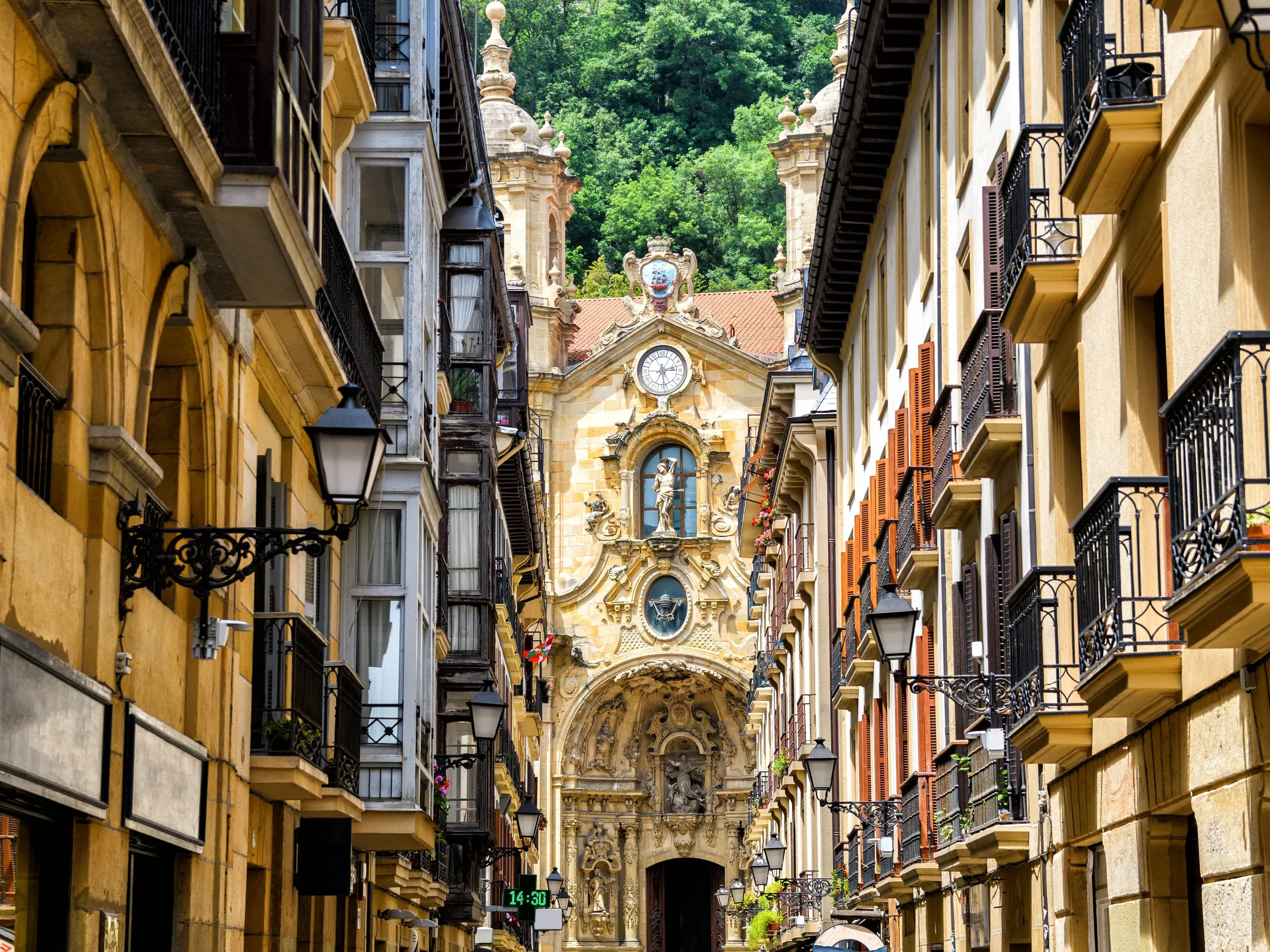
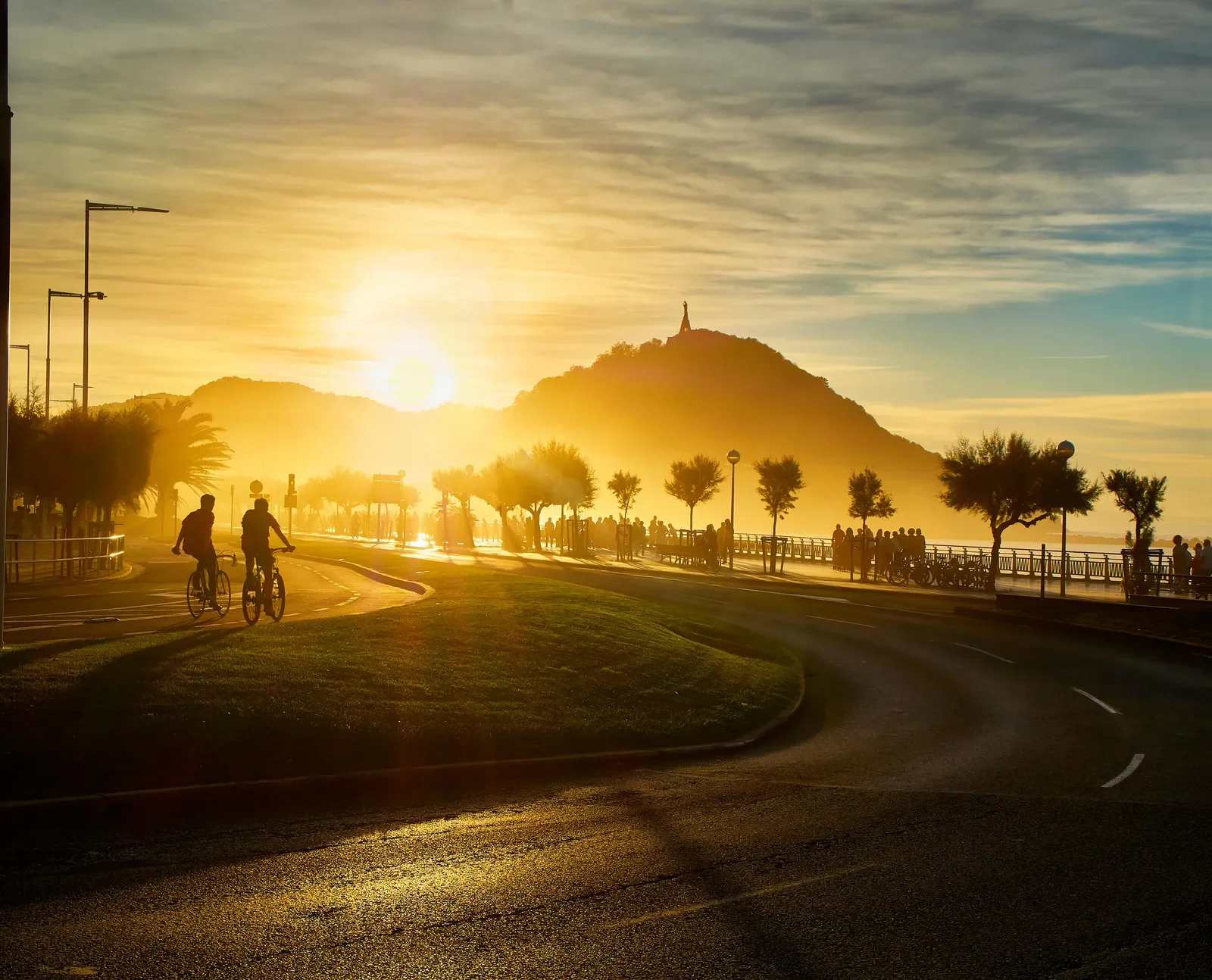
The best introduction is a night in the Parte Vieja, the city's historic Old Town. Located between the harbor and Monte Urgull, this dense collection of pedestrian streets is packed with pintxos bars, restaurants and traditional taverns. The atmosphere becomes particularly lively in the evening, when locals and visitors move from one bar to another.
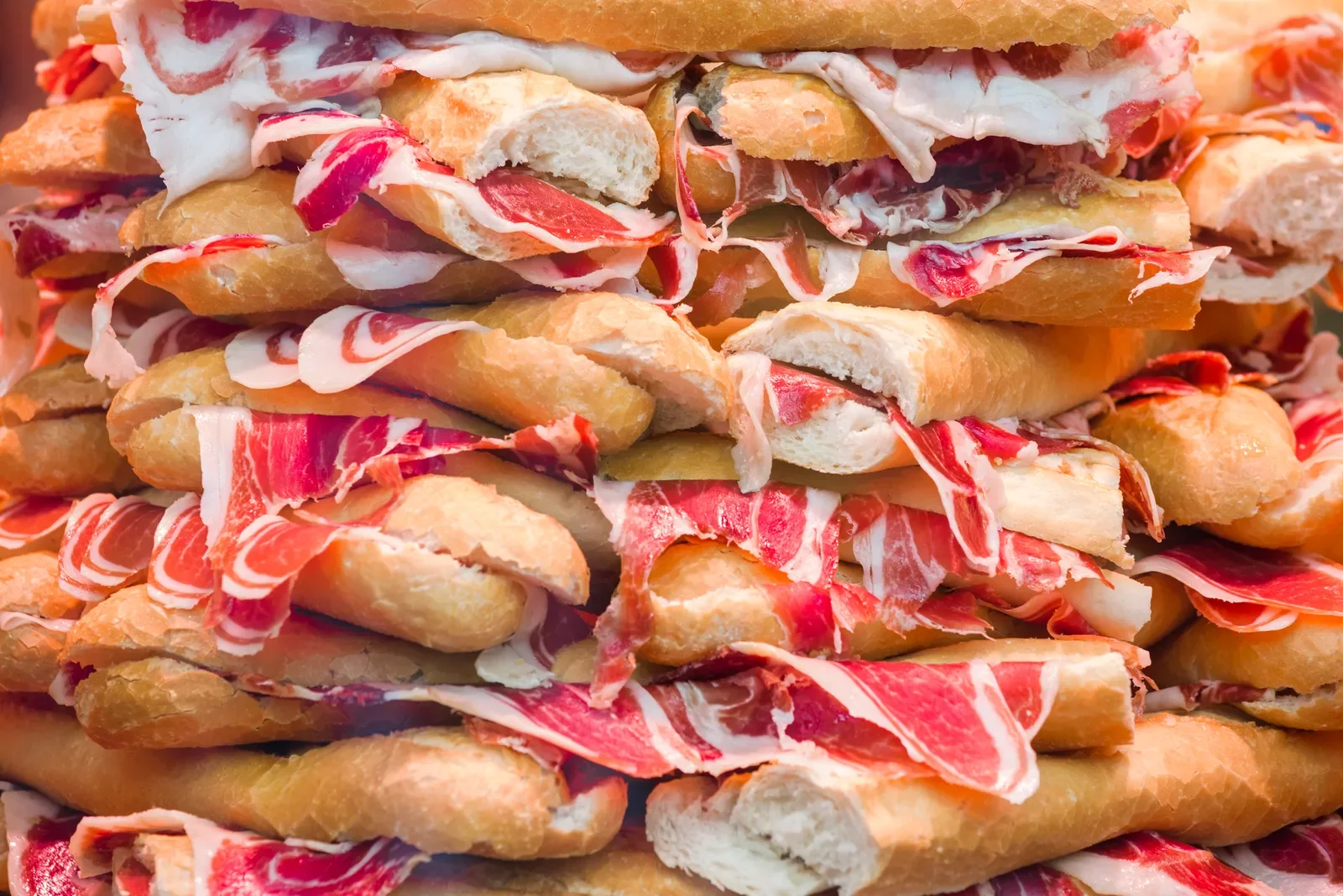
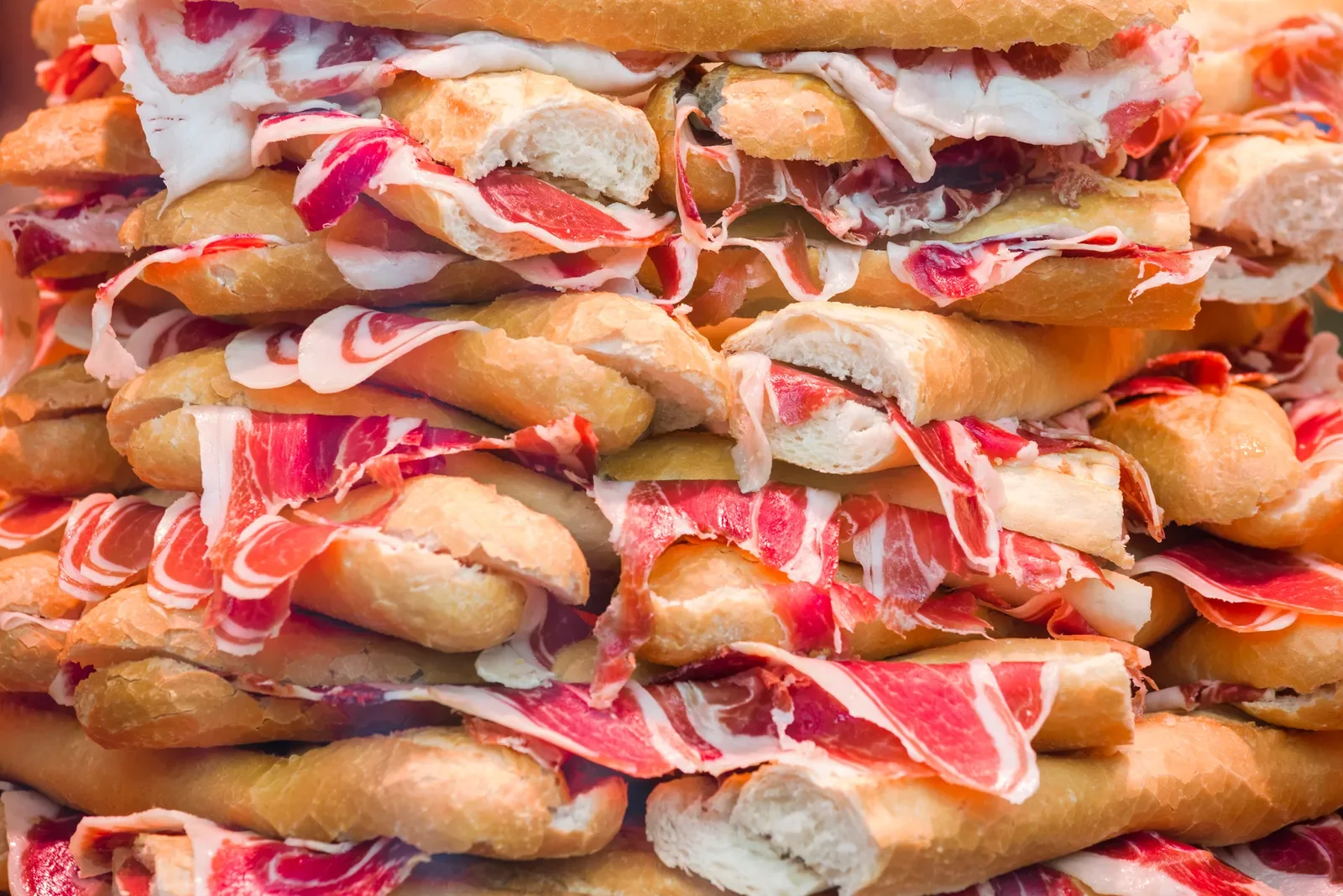
Pintxos are often compared to tapas, but in the Basque Country they have their own culture and identity. Some are wonderfully simple: anchovies, tortilla, jamón or seafood served over bread. Others resemble miniature restaurant dishes and demonstrate just how sophisticated the city's casual food scene has become.
The best way to experience pintxos is not to settle into one restaurant for the evening. Order one or two specialties and a small drink, then continue to the next bar.
Among the classic stops is Borda Berri, known for rich, cooked to order pintxos rather than a counter filled with cold selections. Bar Sport is another favorite, particularly for seafood, while Txepetxa has built its reputation around anchovies served with an assortment of toppings.
A pintxos evening can finish at La Viña, the bar widely associated with the creation and international popularity of San Sebastián's now famous burnt Basque cheesecake. Its deeply caramelized exterior and soft, almost custard like center have inspired versions around the world, but there is something special about eating it where the story began.
There is no need to rush. Part of the pleasure is simply moving through the Old Town, discovering places as you go and allowing dinner to unfold over several hours.
2. Walk the Entire Length of La Concha Bay
La Concha is the image most closely associated with San Sebastián, and for good reason.
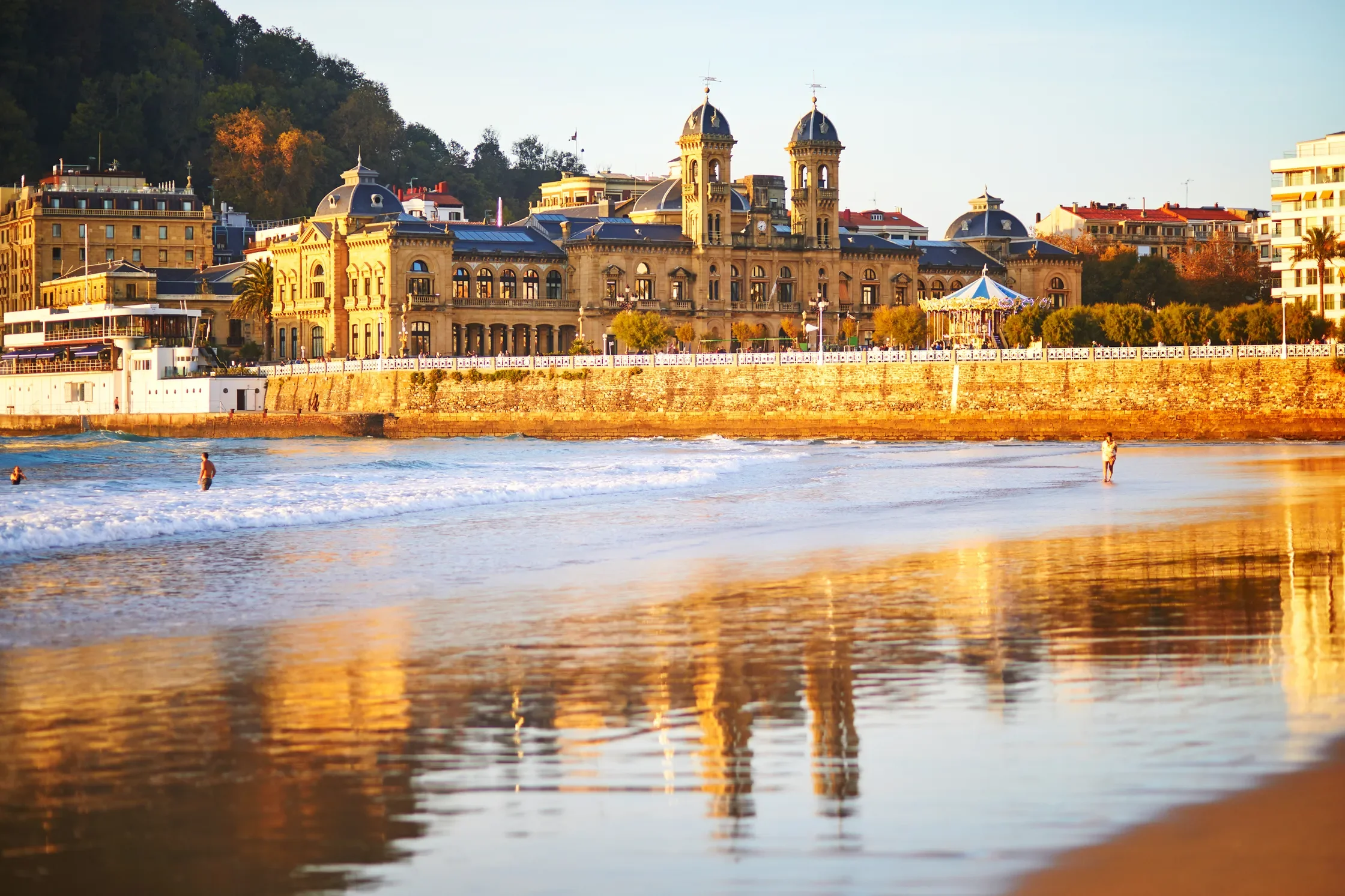
The sweeping bay curves through the center of the city with Monte Urgull at one end, Monte Igueldo at the other and Santa Clara Island in the middle. Along the waterfront, an elegant promenade follows the sand, making this one of the most beautiful urban walks in Europe.
Begin near the City Hall and Alderdi Eder gardens before following the promenade along Playa de la Concha. The walk offers views of the bay almost the entire way and passes some of San Sebastián's grandest architecture.
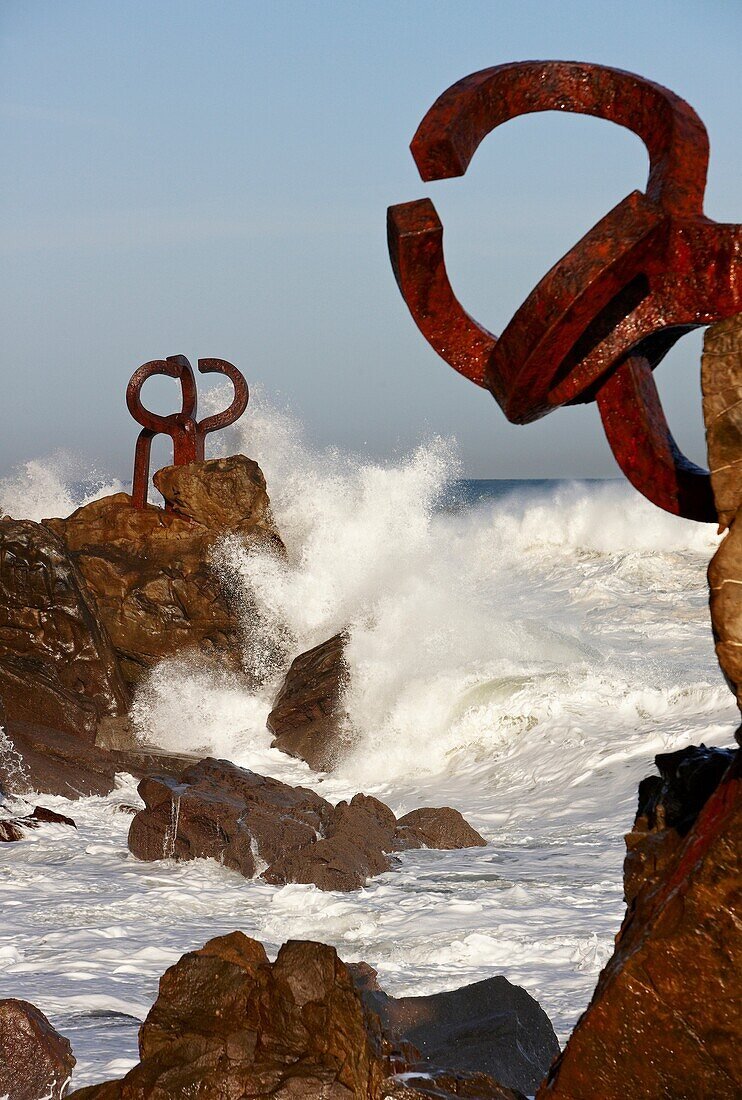
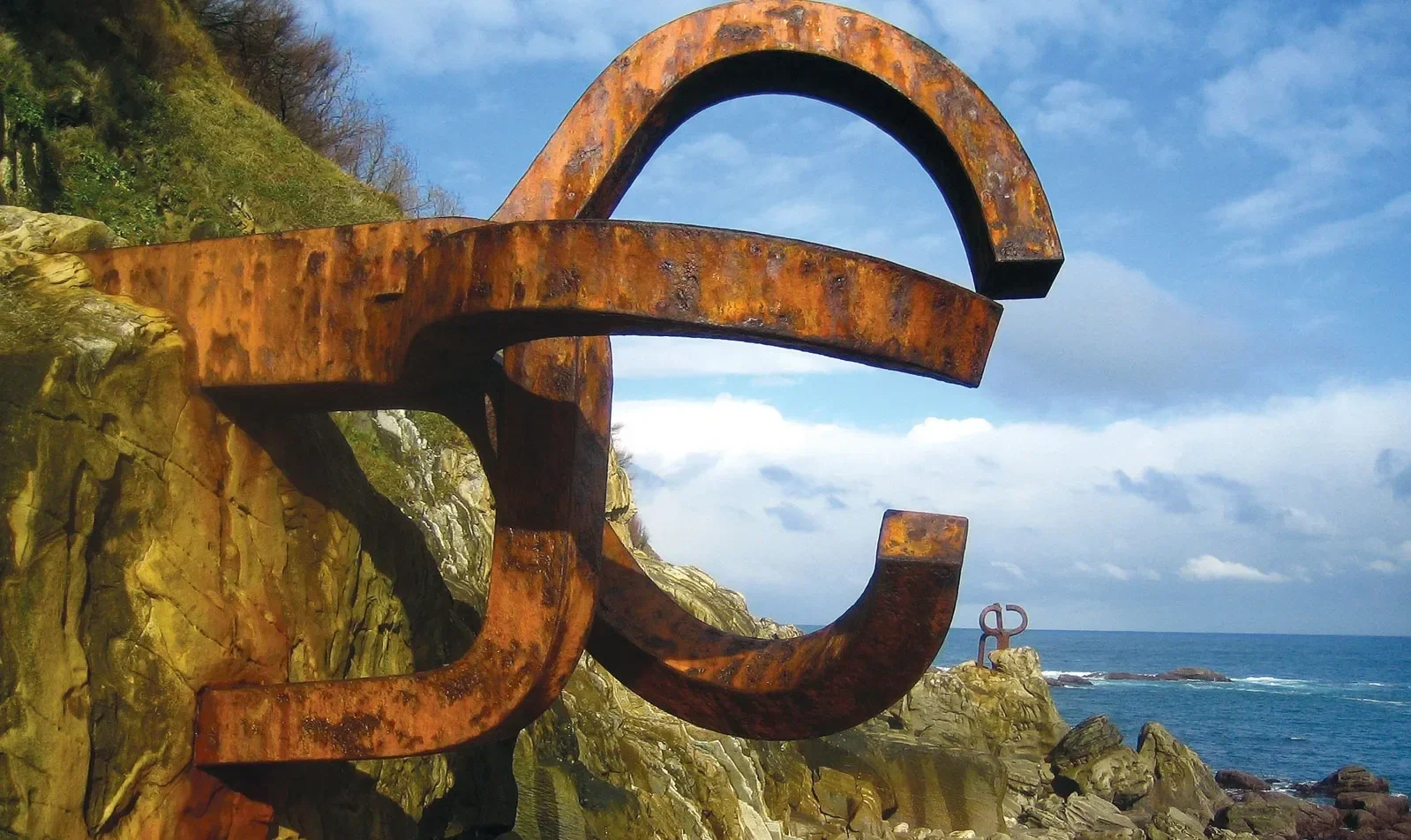
Eventually La Concha gives way to Ondarreta Beach and the Antiguo neighborhood. Continue all the way to the western edge of the bay and you will reach one of the city's most important works of art, Eduardo Chillida's Peine del Viento, or Comb of the Wind.
The installation consists of three enormous steel sculptures anchored directly into the rocks at the edge of the Cantabrian Sea. Waves crash beneath and around them, while the wind and ocean become part of the work itself. It is particularly dramatic when the sea is rough, although even on a calm day the setting is extraordinary.
Walking from the center of San Sebastián to Peine del Viento is one of the simplest ways to understand the city. Architecture slowly gives way to beach, then gardens, rock and open sea.
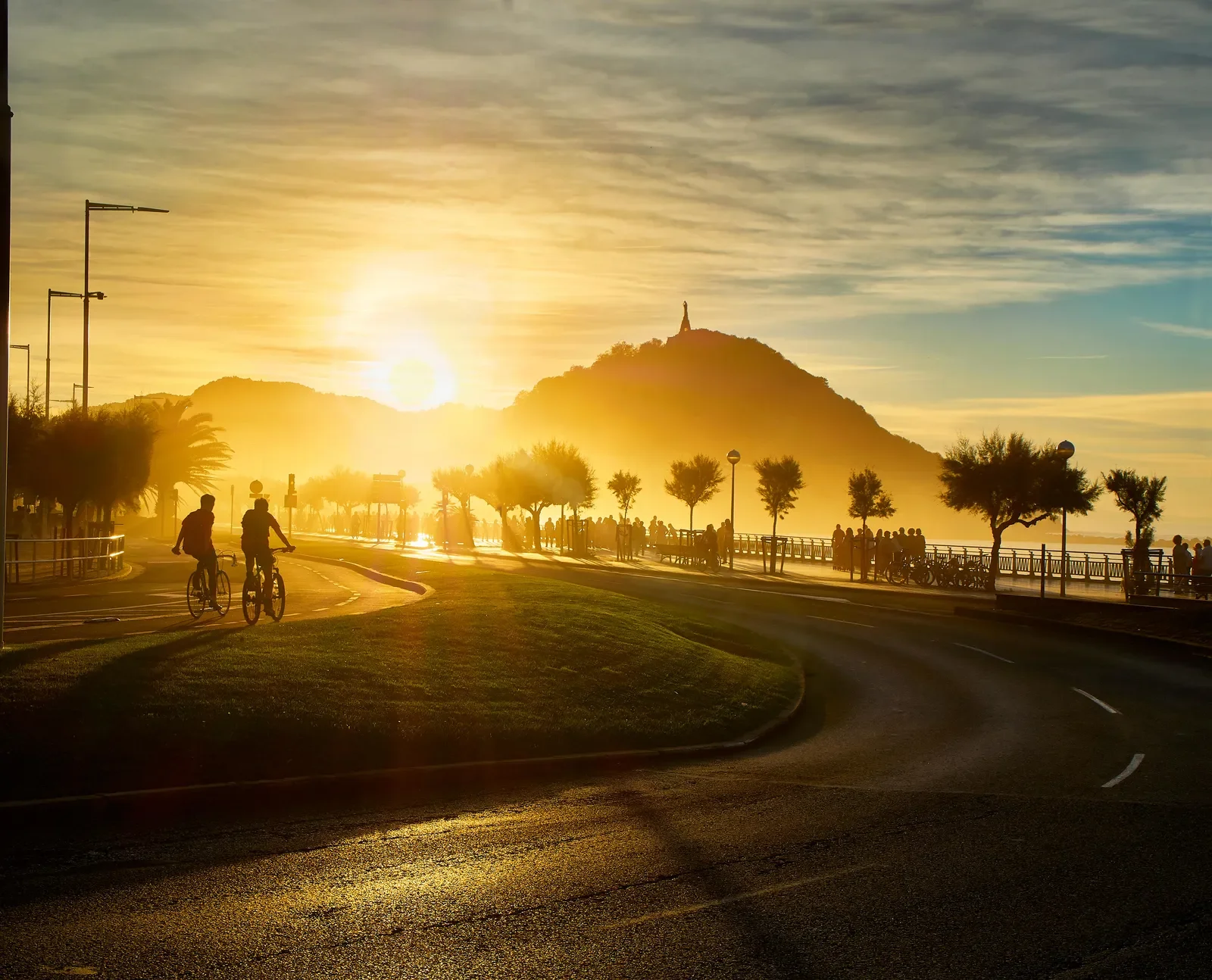
For an especially beautiful experience, make the walk in the late afternoon as the light begins to soften over the bay.
3. Take the Funicular to the Top of Monte Igueldo
For the definitive view of San Sebastián, head to Monte Igueldo.
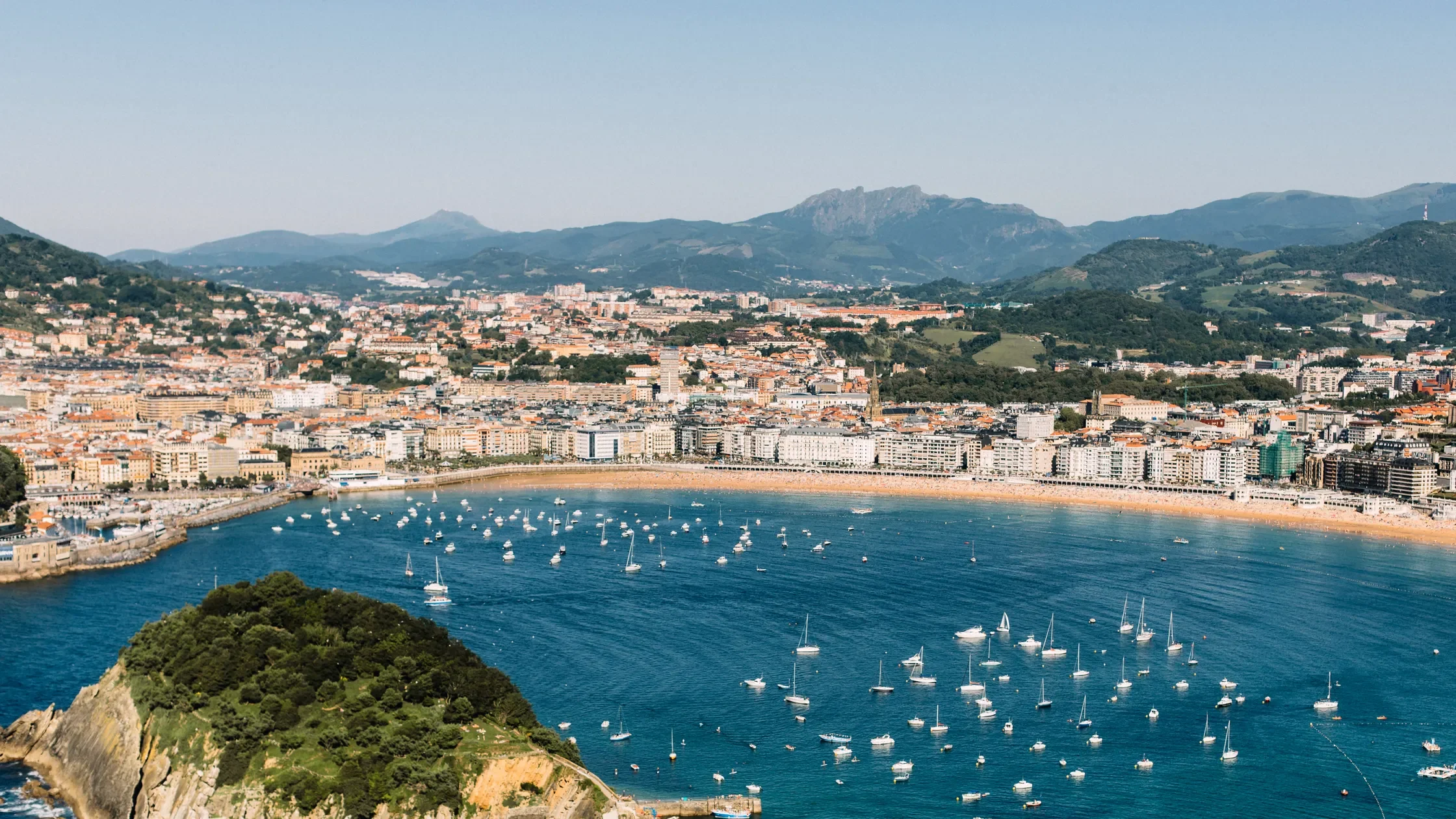
Rising above the western end of La Concha Bay, the mountain provides the classic panorama seen in countless photographs of the city: the entire sweep of La Concha below, Santa Clara Island in the center, the Old Town in the distance and the green Basque coastline stretching toward the horizon.
Getting there is part of the experience. The historic funicular climbs from near Ondarreta Beach to the summit, where the views open dramatically over the city.
At the top is another surprise: a wonderfully nostalgic amusement park. Rather than feeling like a modern theme park, Monte Igueldo retains an old world character, with vintage attractions positioned high above the sea. It is particularly charming for families, although the view alone makes the trip worthwhile for any traveler.
Give yourself time once you reach the summit. The temptation is to take the obligatory photograph and immediately head back down, but Monte Igueldo is better enjoyed slowly. Walk around, look back toward the mountains and coastline, and watch the changing light over La Concha.
On a clear day, this is one of the most memorable places in San Sebastián.
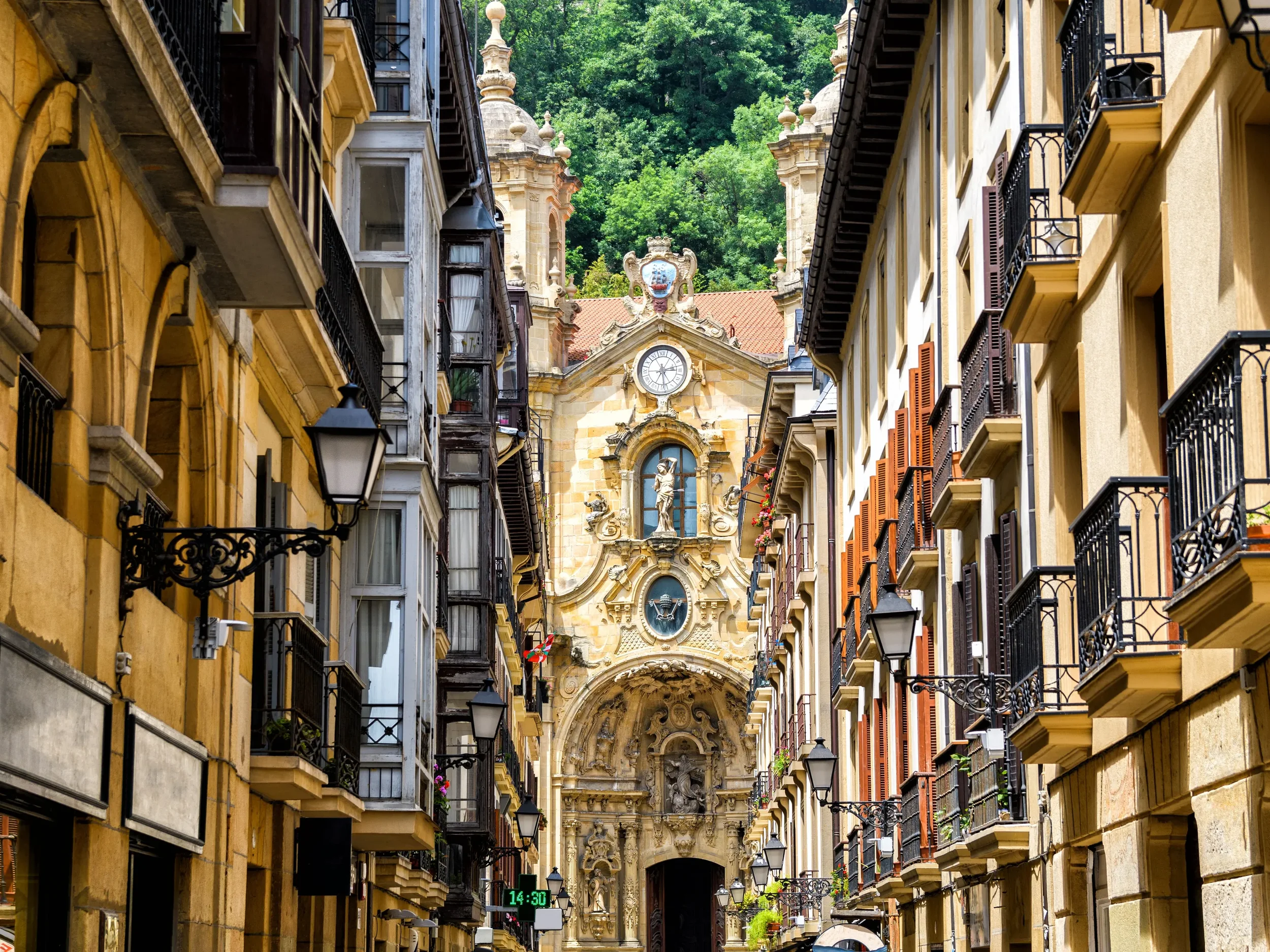
4. Discover Basque Culture in the Parte Vieja
The Parte Vieja deserves more than an evening devoted to pintxos.
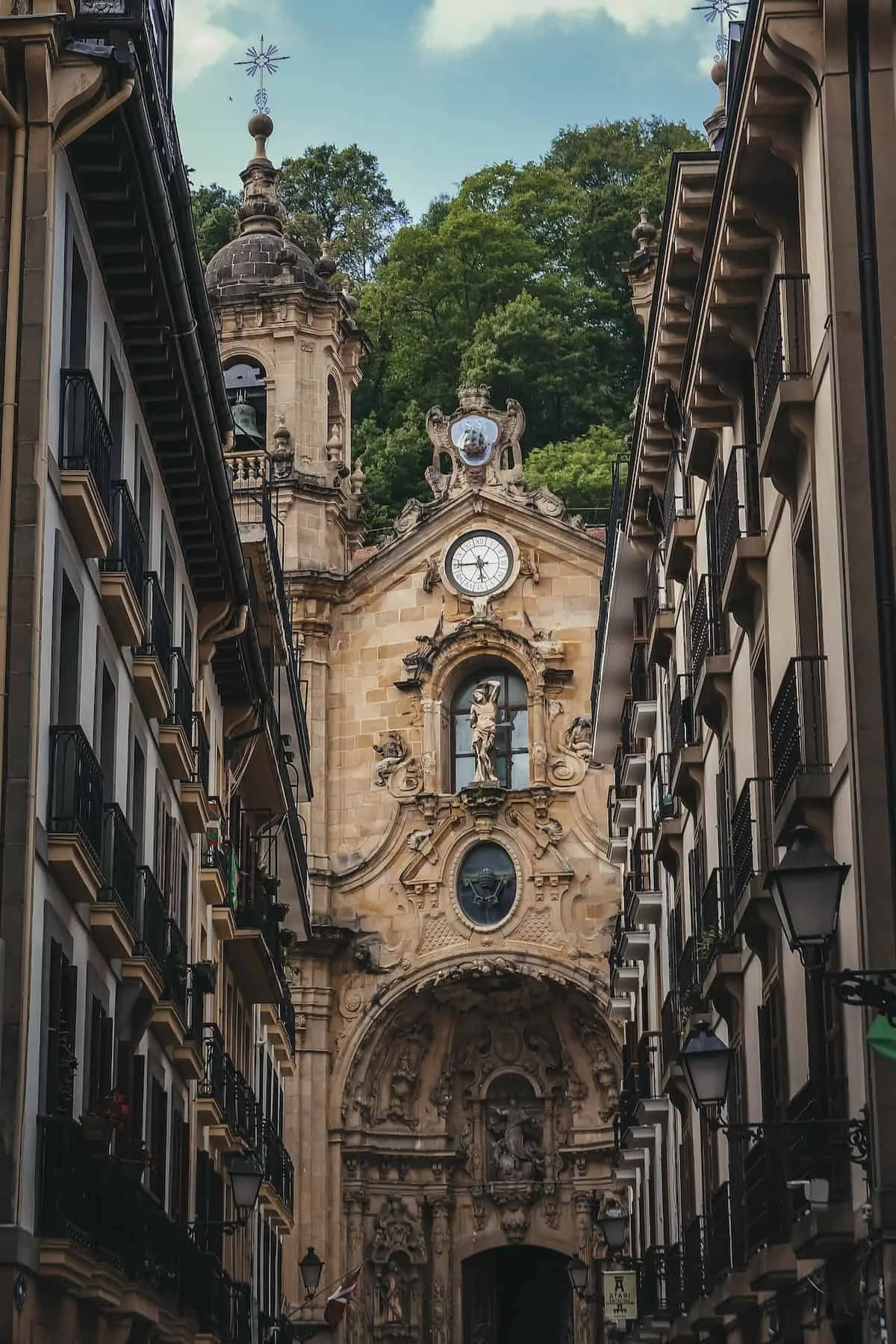
During the day, the Old Town reveals a different personality. San Sebastián was once a walled city, and this compact neighborhood remains its historical heart. Its narrow streets open unexpectedly onto churches, plazas and views toward the harbor.
Plaza de la Constitución is one of the neighborhood's most recognizable spaces. Look closely at the surrounding balconies and you will notice numbers painted above them, remnants of the period when the square was used as a bullring and the balconies functioned as spectator boxes.
Nearby stand two important religious landmarks, the Basilica of Santa María del Coro and the Church of San Vicente.
For a deeper understanding of the Basque Country, visit San Telmo Museoa at the foot of Monte Urgull. Founded in 1902, it is the oldest museum in the Basque Country and occupies a former 16th century Dominican convent alongside a contemporary extension.
Its collections explore Basque history, art, society and ethnography, providing useful context for a region with its own language, traditions and powerful cultural identity.
This is particularly worthwhile for travelers spending several days in San Sebastián. The food and beaches may be what initially attract visitors, but understanding something about Basque culture makes the rest of the city considerably more meaningful.
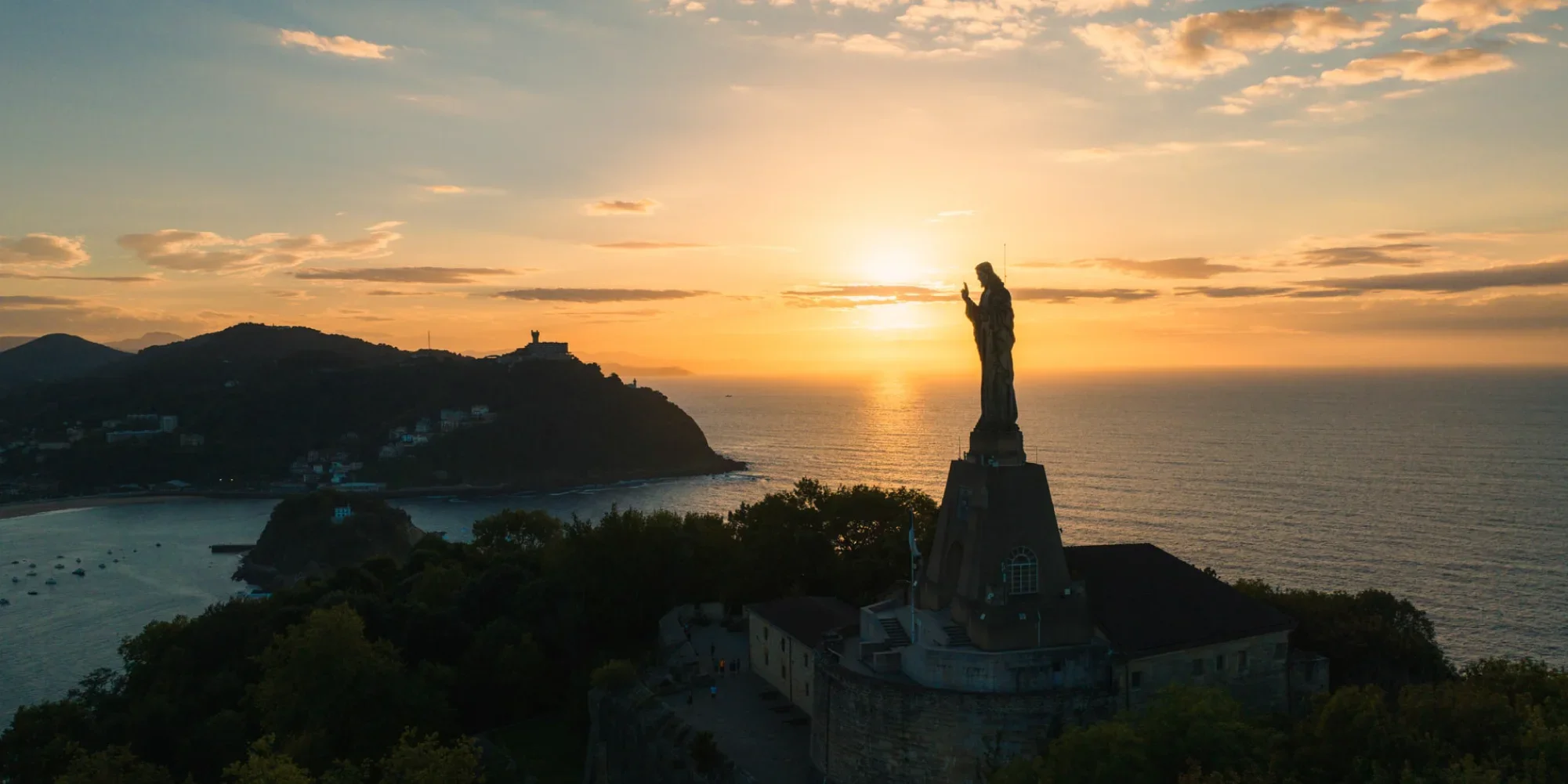
5. Hike Monte Urgull
San Sebastián's geography is one of its greatest luxuries. You never have to travel far to exchange the energy of the city for greenery and open views.
Monte Urgull rises immediately behind the Parte Vieja and offers one of the best walks in town. Paths climb gradually through trees and past old fortifications, with viewpoints appearing along the way.
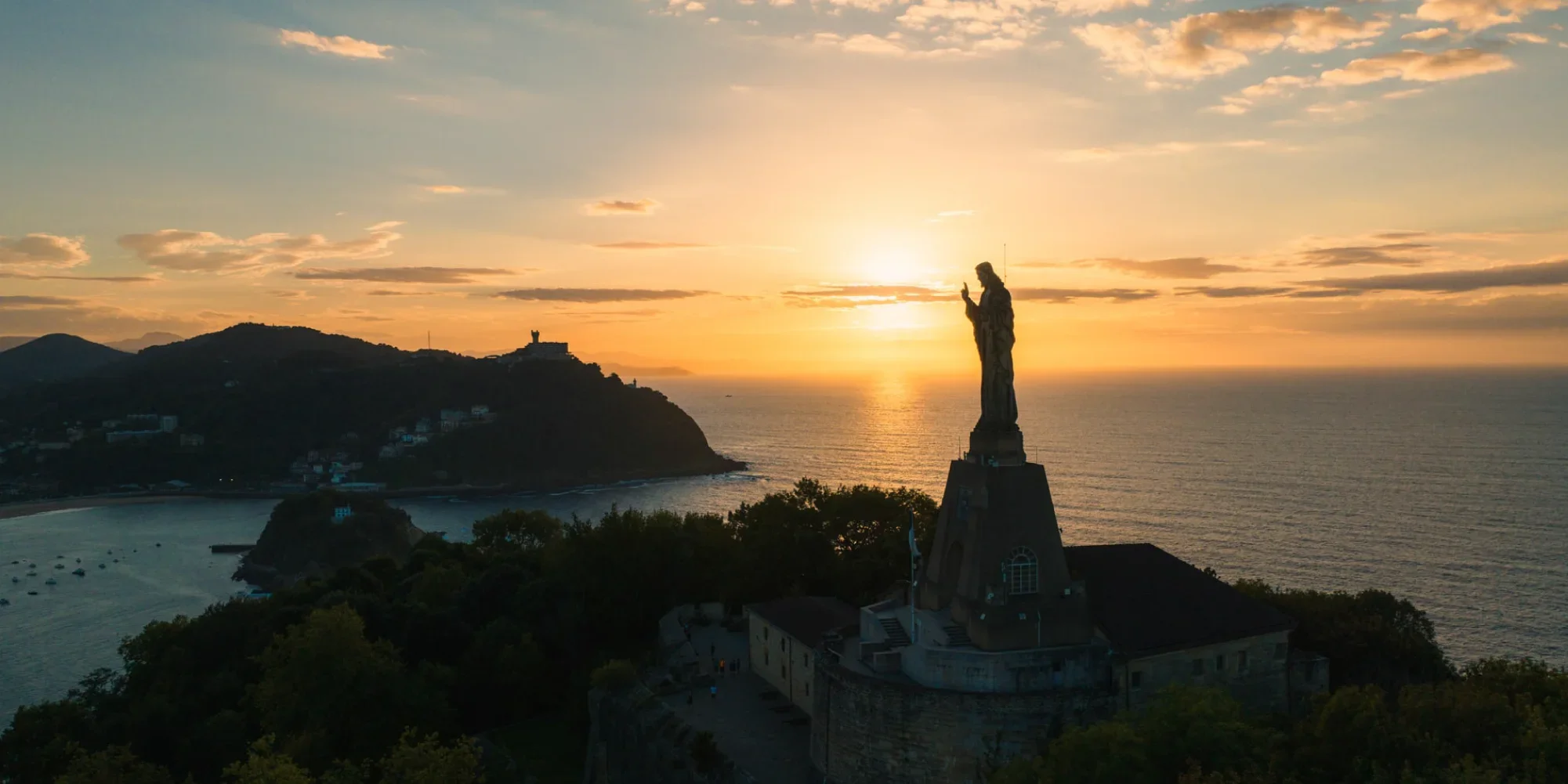
The mountain once played an important defensive role in San Sebastián, and remnants of its military history remain scattered throughout the landscape. At the summit are the fortifications of Castillo de la Mota and the large Sagrado Corazón statue overlooking the city.
But the real pleasure is the journey upward.
Different paths reveal different perspectives. One moment you may be looking directly over the rooftops of the Old Town and the harbor. A few minutes later, the view opens across La Concha Bay or out toward the Cantabrian Sea.
Unlike many urban viewpoints, Monte Urgull does not feel separated from the city. It begins almost immediately behind the Old Town, making it possible to finish breakfast, start walking and find yourself surrounded by greenery within minutes.
Wear comfortable shoes and allow enough time to stop at the viewpoints rather than treating the walk simply as a climb to the summit.

6. Spend a Day Between La Concha and Santa Clara Island
San Sebastián has three principal urban beaches, but La Concha remains its most iconic.
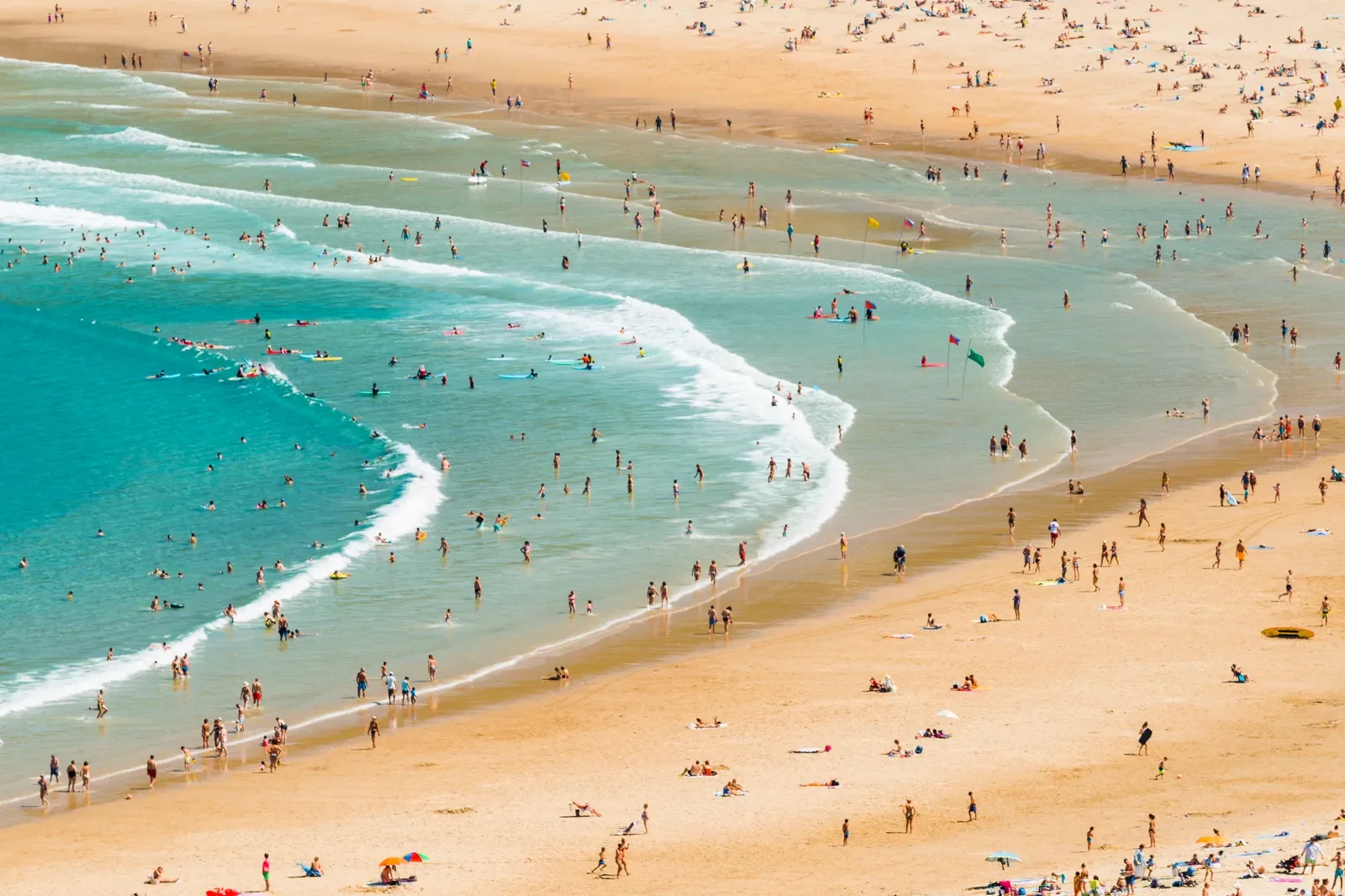
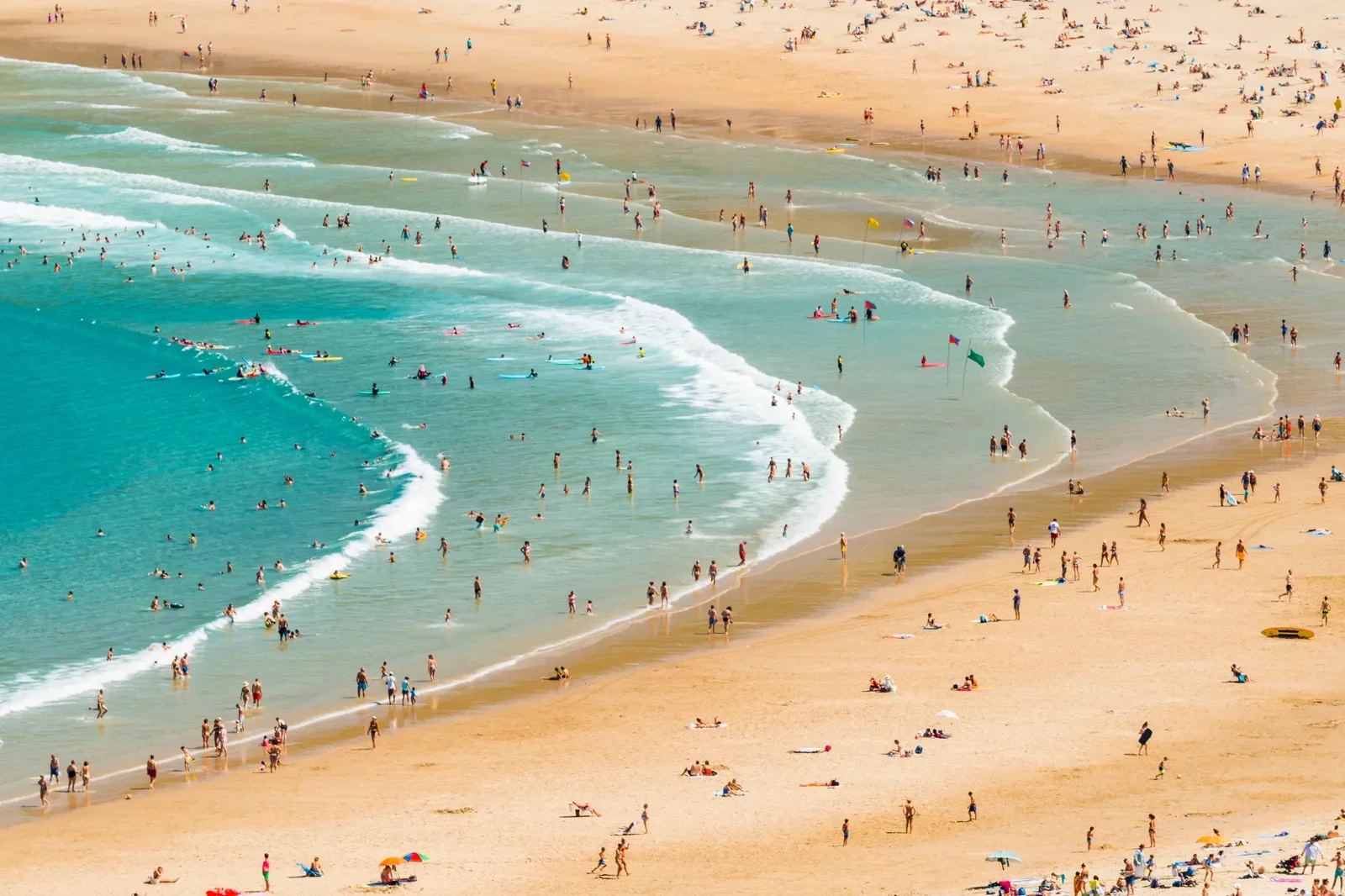
The sheltered crescent of sand sits directly in front of the city, making the beach feel like an extension of San Sebastián rather than a destination outside it. On warm days, locals swim, sunbathe and walk along the shoreline with the city rising immediately behind them.
For a different perspective, continue offshore to Santa Clara Island.
The small island sits in the middle of La Concha Bay and can be reached by seasonal boat service from the port. The journey itself is short, but looking back toward San Sebastián from the water provides an entirely different sense of the city's remarkable geography.
Santa Clara has its own tiny beach as well as places to swim, walk and take in views across the bay. During summer, visitors can spend a few hours here before returning to the city.
Those looking for something more private can also explore sailing and boat charters along the Basque coastline. Seeing San Sebastián from the sea, particularly toward sunset, is one of the most beautiful ways to appreciate the relationship between the city and the surrounding landscape.
Whether you spend the entire afternoon on the sand or simply walk the shoreline early in the morning, time beside the water should be considered essential rather than optional.
7. Experience San Sebastián's Michelin Starred Dining
Pintxos may represent San Sebastián at its most casual, but the city also occupies an extraordinary position in the world of fine dining.
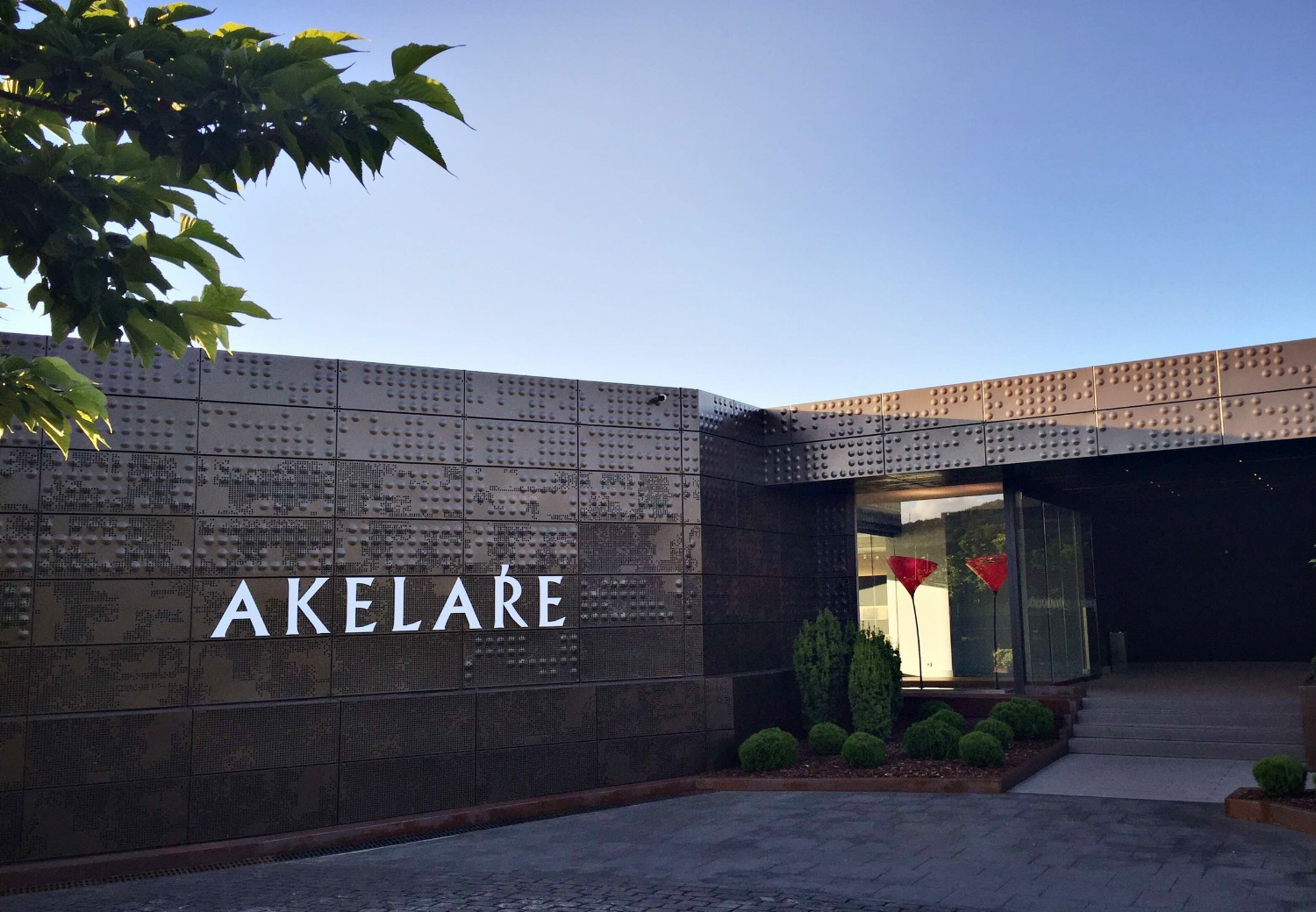
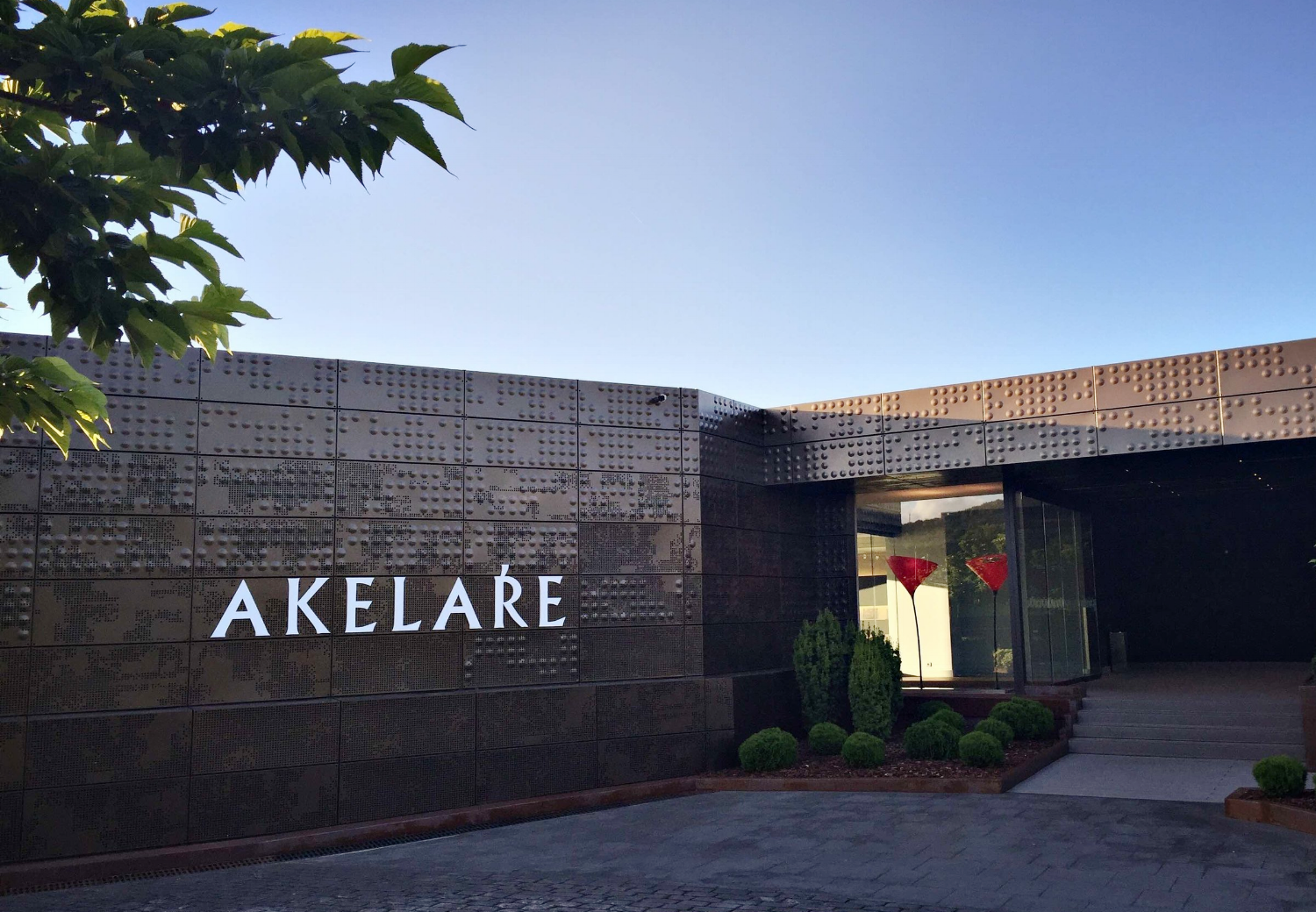
San Sebastián and the surrounding area have one of Europe's most significant concentrations of Michelin stars. For 2026, the region continues to include some of Spain's most celebrated restaurants, including three restaurants holding three Michelin stars: Arzak, Akelarre and Martín Berasategui.
Each offers a different expression of contemporary Basque gastronomy.
Arzak is one of the defining names of New Basque Cuisine. Its history stretches back more than a century, while generations of the Arzak family have transformed the restaurant into an internationally recognized destination.
Akelarre, led by chef Pedro Subijana, sits on the slopes of Monte Igueldo overlooking the Cantabrian Sea. The setting makes it particularly compelling for travelers looking to combine a destination meal with a spectacular sense of place.
Just outside San Sebastián in Lasarte Oria, Martín Berasategui offers another of the region's landmark culinary experiences.
There are many other excellent options throughout San Sebastián and Gipuzkoa, from highly ambitious contemporary tasting menus to seafood restaurants centered around exceptional local ingredients.
A Michelin starred meal is certainly not necessary to eat extraordinarily well here. That is part of San Sebastián's appeal. A few euros spent on a pintxo can deliver as much pleasure as a multi course tasting menu.
But for travelers who view food as an essential part of travel, reserving one exceptional restaurant well in advance is worthwhile.
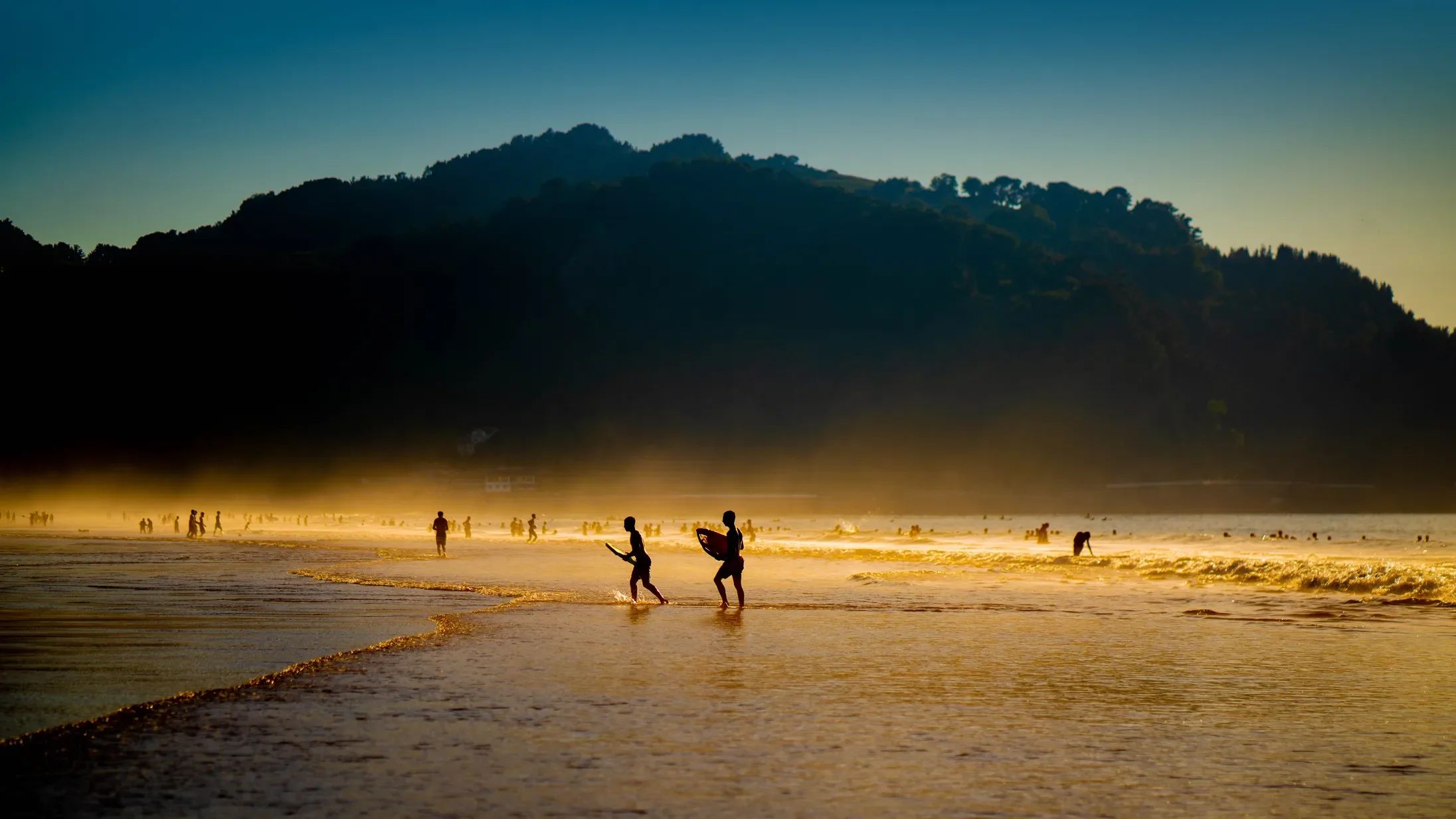
8. Explore Gros and Watch the Surfers at Zurriola Beach
Cross the Urumea River from central San Sebastián and the atmosphere begins to change.
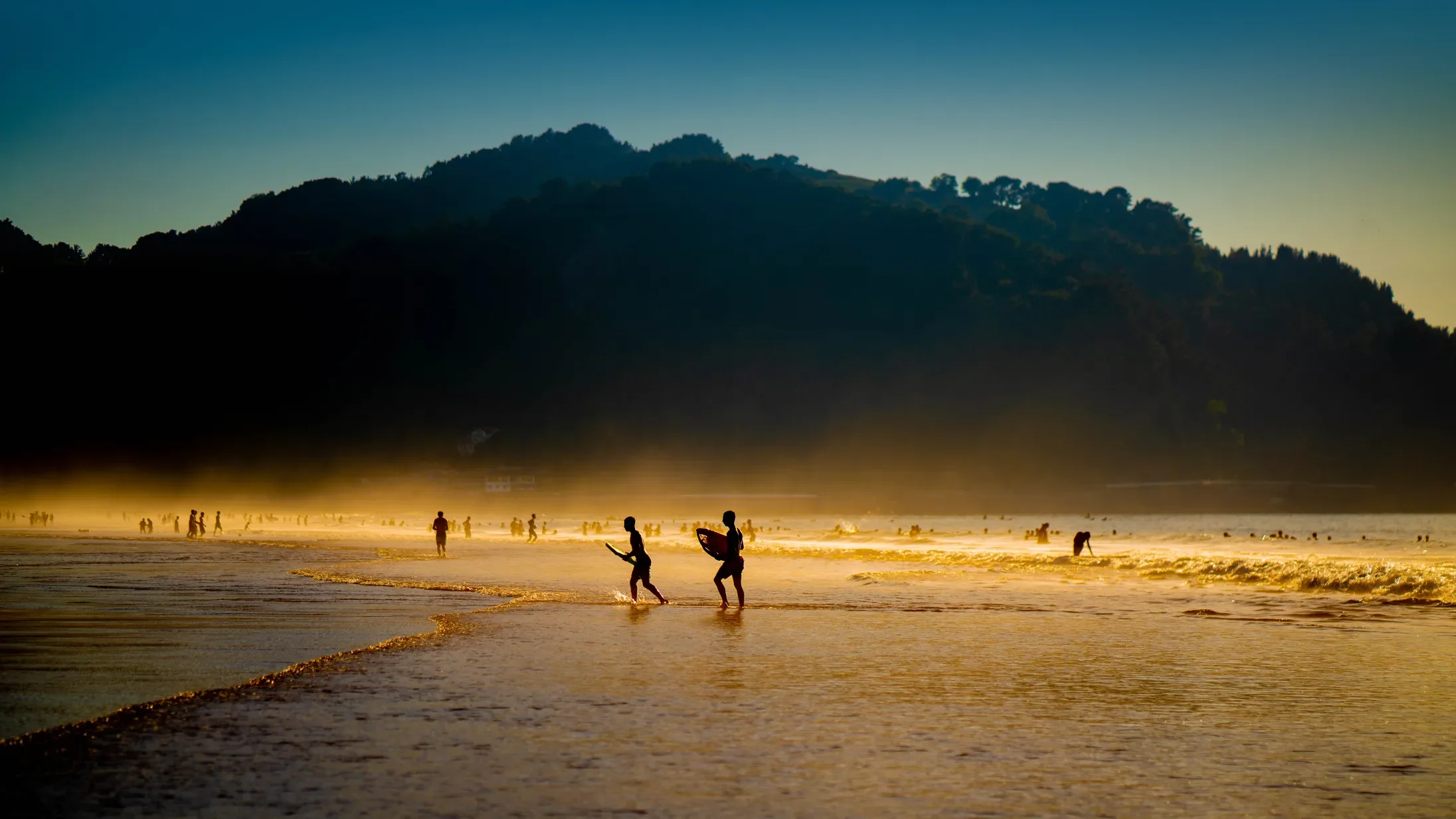
Gros is younger, more casual and slightly less polished than the neighborhoods surrounding La Concha. Independent shops, cafés and pintxos bars line its streets, while Zurriola Beach gives the neighborhood its unmistakable surf culture.
Unlike the relatively protected waters of La Concha, Zurriola faces the open sea and receives stronger waves. Surfers can be seen here throughout much of the year, and several local schools offer lessons for beginners.
You do not need to surf to enjoy it.
Walk along the waterfront, sit on the sand and watch surfers moving through the waves, or spend a few hours exploring the streets behind the beach. Volleyball and other sports add to the lively atmosphere during warmer months.
Gros is also a good neighborhood for travelers who want to see a more everyday side of San Sebastián. While the Parte Vieja is almost inevitably busy with visitors, Gros still feels distinctly residential in places.
Nearby, Tabakalera adds a contemporary cultural dimension to the neighborhood. The enormous former tobacco factory has been transformed into an international center for contemporary culture, with exhibition spaces, cinema, creative facilities and public areas. Its upper levels also offer excellent views across the surrounding city.
Spend an afternoon between Tabakalera, Gros and Zurriola before staying in the neighborhood for dinner or drinks.
9. Discover the Work of Eduardo Chillida
One of the most memorable aspects of San Sebastián is the way art appears naturally within the landscape.
The most famous example is Peine del Viento at the end of Ondarreta Beach, but travelers interested in art should go further and visit Chillida Leku, the museum devoted to Basque sculptor Eduardo Chillida.
Located outside the center of San Sebastián, the museum occupies a remarkable natural setting where monumental sculptures are positioned throughout gardens, fields and woodland. Rather than encountering Chillida's work inside a conventional gallery, visitors move through the landscape and experience the sculptures in conversation with trees, grass, architecture and changing natural light.
The museum centers around the historic Zabalaga farmhouse, while the surrounding grounds contain large scale works in steel and stone.
Chillida Leku makes an excellent counterpoint to Peine del Viento.
At Peine del Viento, the sculptures confront the force of the Atlantic. At Chillida Leku, the experience is quieter and more contemplative. Together they reveal the importance of landscape, material and space within Chillida's work.
For art and architecture lovers, this is easily worth setting aside half a day.
10. Slow Down and Experience the City's Everyday Rituals
The final essential experience in San Sebastián is less about a particular attraction and more about allowing yourself to live at the city's pace.
Start the morning with coffee before walking through Mercado de la Bretxa or Mercado San Martín, where the connection between San Sebastián's restaurants and the surrounding land and sea becomes tangible. Fish, seafood, vegetables, cheeses and other regional ingredients provide a glimpse into the raw materials behind Basque cuisine.
Continue through the city's Romantic Area, where broad avenues and ornate late 19th century buildings reflect San Sebastián's transformation into a fashionable seaside resort. The architecture here offers a striking contrast to the tighter medieval streets of the Parte Vieja.
Walk through Alderdi Eder gardens overlooking the bay. Stop for lunch without watching the clock. Return to La Concha as the afternoon light changes.
If the weather turns, do as generations of visitors have done and head to La Perla, the thalassotherapy center overlooking La Concha. San Sebastián's relationship with spa culture dates to its history as a fashionable European seaside resort, and the setting directly above the beach remains difficult to beat.
Or escape into Cristina Enea, the city's largest and most wooded urban park, where pathways wind through mature trees around the former estate of the Duke and Duchess of Mandas.
San Sebastián rewards travelers who leave room in the itinerary.
It is compact enough that there is rarely a need to race from one landmark to another. Much of what makes the city memorable happens between the major sights: walking beside the water, discovering a tiny pintxos bar, watching the evening light fall across the bay or stopping somewhere simply because it looks inviting.
A City Defined by the Good Life
San Sebastián has all the ingredients of a major European destination, yet it remains remarkably intimate.
There are restaurants worth crossing continents for, but also extraordinary food eaten standing at a bar. There are important museums and works of art, but some of the city's greatest beauty is found outdoors, where mountains descend toward beaches and sculptures meet the Atlantic.
That balance is what makes Donostia so compelling.
Come for the gastronomy, certainly. Reserve the extraordinary restaurant. Spend an evening moving from pintxos bar to pintxos bar. Taste the cheesecake everyone talks about.
But leave time for everything surrounding it.
Walk La Concha in the morning. Climb Monte Urgull. Ride the funicular above the bay. Take a boat toward Santa Clara Island. Watch surfers at Zurriola. Stand beside Chillida's steel sculptures as waves break against the rocks.
San Sebastián does not need to be over planned to feel extraordinary. In fact, it is often at its best when it isn't.